Six questions · Question 06
Damp, decay and the warm monthsLiving with timber in a subtropical climate
For a timber house, moisture is the thing to manage: WoodSolutions says a moisture content above 20 per cent, held for a long time, creates the conditions for fungal decay and mould, and it counts tropical and subtropical regions, and areas with high rainfall and seasonal humidity, among the high-risk zones for decay. Termites follow the same damp: the Queensland Government’s fact sheet says permanently damp areas in or beneath a building favour infestation.
General information, not building advice. The official place to check is QBCC’s home maintenance pages; for any repair, ask a licensed contractor.
The 20 per cent line
Timber is always trading moisture with the air around it, and settles at a balance point called its equilibrium moisture content. WoodSolutions puts that at 8–14 per cent in typical Australian interiors and 12–18 per cent in sheltered outdoor conditions.
Above that line the risk changes. WoodSolutions treats prolonged moisture content above 20 per cent as the threshold for fungal decay and mould, and says keeping timber below it is a fundamental construction target. Its durability guide adds that exposure matters as much as the timber itself, and that shade, slope and damp spots can raise the decay risk even in a lower-risk region.
Why damp timber draws termites
Subterranean termites need contact with the soil or another constant source of moisture, and have relatively little resistance to drying out. Some species particularly infest timber in an early stage of decay by wood-rotting fungi. And where building maintenance is neglected, the Queensland fact sheet says, decay may leave even naturally resistant timber open to termites.
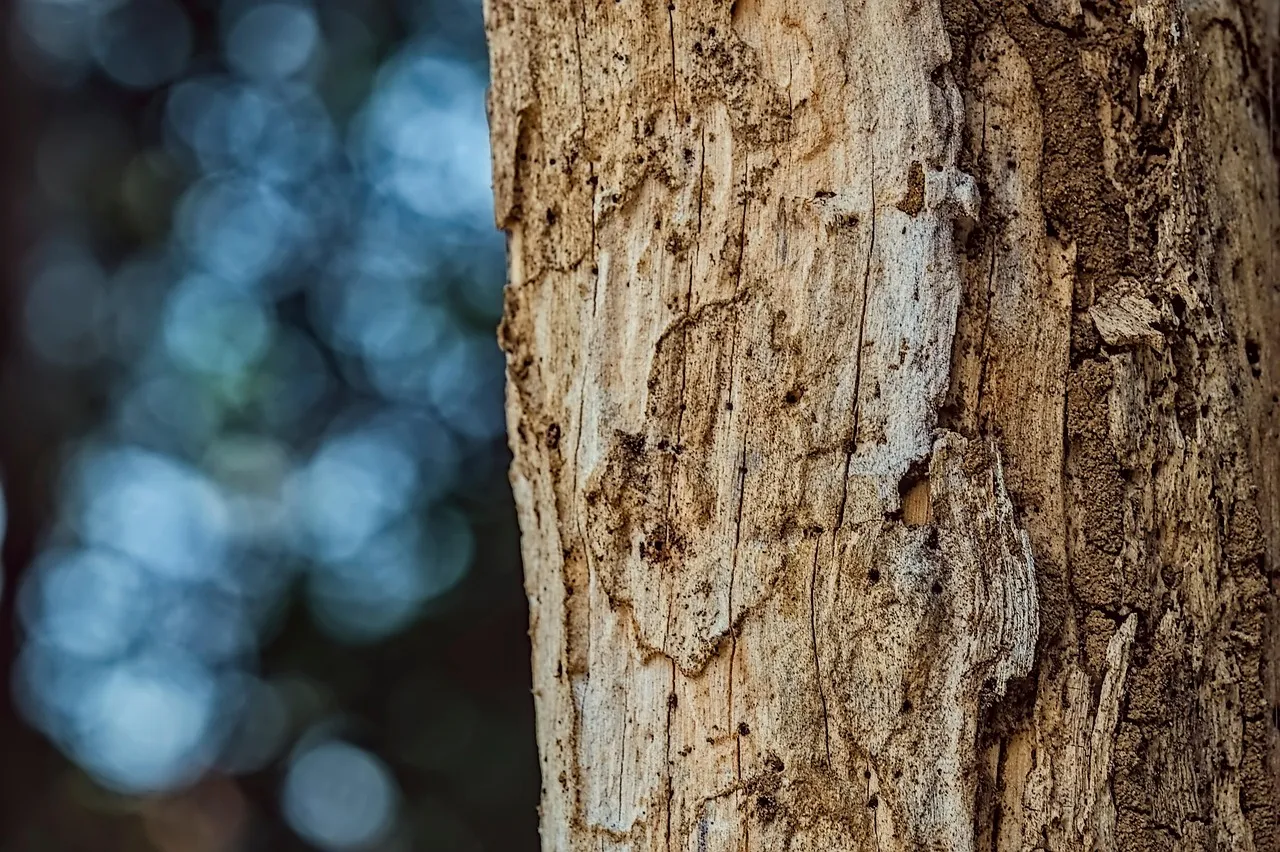
So the same repairs serve both problems. The fact sheet says drains and plumbing should be repaired to remove permanently damp areas, and that a poorly ventilated, poorly lit sub-floor makes infestation more likely.
Under the floor: air and room
A house on stumps has an advantage and a duty. QBCC’s booklet says cross-flow ventilation must be provided under a suspended floor, to discourage termites and to reduce the likelihood of fungal attack on the sub-floor timbers.
- The building code’s housing provisions, Part 6.2, set minimum ventilation per lineal metre of internal and external walls, depending on where the house is.
- Vents go below the damp-proof course but above where surface water could get in.
- A clearance of 400 mm from the finished ground to the framing is generally necessary; it can drop to 150 mm where the ground slopes to, and is no more than 2 m from, a point with the full 400 mm.
- Things stored under the house can carry termites around barriers, cut the airflow and make parts of the sub-floor hard to inspect.
Keep the water moving away
WoodSolutions’ principle for detailing is the same at every scale: shed water away from timber, let it dry by air movement, avoid water traps, and keep timber apart from porous or wet materials. Decay fungi thrive in stagnant moisture, it says, so ventilation is as important as sealing. QBCC’s maintenance list turns that into jobs around a house:
| Where | What to do |
|---|---|
| Hot water system | QBCC calls a leaky hot water system a real risk of foundation movement, building damage and termite attack. Follow the manufacturer’s maintenance, check the pressure relief valve now and then, and make sure discharged water doesn’t land near the footings. |
| Gutters and roof | Keep gutters and downpipes clear of leaves and debris, and fix any cracked or broken tiles, guttering or flashing. |
| Garden | Keep weep holes above soil level, put ponds and water features away from the building, and don’t overwater or run unregulated sprinklers. |
| Rainwater tanks | Clean debris and insect screens on tanks and rainwater heads, and check for leaking pipe work. |
| Fences | A 50 mm gap between fence palings and the soil reduces the risk of termites or fungal decay. |
The other timber pest: powderpost beetle
Business Queensland calls the powderpost beetle one of the most significant timber borers in Queensland, widespread in the state’s tropical and subtropical climates. Its larvae can reduce susceptible timber to a fine, flour-like powder inside a shell of wood.
What it looks like
- Small piles of smooth, flour-like powder outside the timber.
- Round exit holes 1–2 mm across.
- In new houses, holes in linings and joinery, made by adults coming out of the hardwood framing beneath.
What it eats
The starchy sapwood of susceptible hardwoods, not softwoods. Removing sapwood or using non-susceptible timber avoids it, and coating all surfaces with paint, varnish or wax protects timber unless it is already infested.
Business Queensland’s page sets out a legal duty: “In Queensland, powderpost beetle (Lyctus africanus) is prohibited matter affecting plants under the Biosecurity Act 2014. Report suspected powderpost beetle to Biosecurity Queensland on 13 25 23 or the Exotic Plant Pest Hotline on 1800 084 881 immediately.”
The legislation agrees. The Biosecurity Regulation 2016 lists powder post beetle (Lyctus africanus) in its schedule of prohibited matter, under “Prohibited matter affecting plants”. Section 36 of the Biosecurity Act 2014 says a person who becomes aware of prohibited matter at a place they occupy, or in their possession or control, must advise an inspector “without delay”, unless an exception applies. If you suspect powderpost beetle, report it.
After a flood
Timber Queensland’s flood guide, published on QBCC’s website, says that before any assessment or repair starts, a licensed electrician must inspect the house for electrical safety. A suitably licensed person should also inspect the plumbing for safety, and the house should be inspected and assessed for structural damage by someone competent to do it, for example a registered structural engineer, a building certifier or a licensed builder. Where there is structural damage, repairs should follow that professional advice and be carried out under its direction.
The same guide warns that, especially in older houses, asbestos may be present in some roof and wall sheeting and in some vinyl floor coverings. It says not to sand or cut these products, and that specially licensed contractors must remove and dispose of them. Queensland’s asbestos website says a homeowner or owner-builder can remove non-friable (bonded) asbestos without a certificate where the amount is 10 square metres or less, and must still take safety precautions. Above 10 square metres, it says, they must get a certificate first or use a contractor with a current asbestos removal certificate. It also says asbestos that is loosely bound together or crumbles easily under hand pressure, known as friable asbestos, must be removed by an A Class licensed removalist. The 10 square metres is measured across the entire job, not section by section, so a larger job cannot be split into smaller removals on different days to avoid the certificate.
The national Asbestos and Silica Safety and Eradication Agency says: “It is not recommended that you handle or remove asbestos yourself.” It says getting a professional to do the job is easier and safer. Queensland’s asbestos website says the risk of developing an asbestos-related disease increases when asbestos is worked with or disturbed and its fibres are released.
The Queensland site’s list of things not to do includes: saw, sand, scrape or drill holes in asbestos materials. It also says never to use power tools or high pressure water blasters on asbestos materials. The national agency adds that asbestos cement roofs, and any other asbestos material, must never be cleaned with high-pressure water or anything abrasive, such as scrubbing, sanding or grinding.
In Queensland, asbestos waste has to go to a landfill site that is allowed by law to take it, usually one the local council runs, and it is illegal to put it in domestic garbage bins or to dump it. It is also illegal to re-use or recycle asbestos products, or to store, sell or give away asbestos. The national agency puts the same rule this way: the landfill must be licensed to accept asbestos waste.
The Queensland site gives two options for disposing of asbestos:
- The waste is “double-wrapped in 0.2 mm thick plastic bags or sheeting, sealed with tape and labelled”, then taken to a landfill site that accepts asbestos, following the laws on transporting it. Each bag carries a warning such as “CAUTION - ASBESTOS”, “DO NOT DAMAGE OR OPEN BAG” and “DO NOT INHALE DUST”.
- The waste goes into “a plastic-lined industrial skip that may have been provided by a waste contractor with an environmental authority to transport regulated waste”.
After that, the guide’s advice on timber is about drying. Timber fully under water won’t decay while it is submerged, for lack of oxygen; once the water goes down, it should be cleaned of silt and mud and dried as quickly as possible with good ventilation. The space under a suspended floor should be drained and dried straight away, with the vents cleared of debris and dirt.
Telling mould from decay is a test with a knife. Surface mould or stain that scrapes off to sound timber underneath is not a concern; wood that has gone soft and spongy, or is easily pushed into with a knife or screwdriver, is decayed. The guide says to avoid chlorine products such as pool chlorine against mould, because they may corrode metal connectors and fasteners.
Floods can compromise termite systems too. For a highset house on stumps, the guide says to check that ant caps and termite shields are not damaged or buried in silt; for a house on a slab, a licensed pest controller should inspect and reinstate the system. Question 03 covers inspections.